Skip to main content
Golf Logo
Golf Logo
Join Now
Log In
News
Latest
News
Features
Shows
PGA Tour Schedule
Series
Tour Confidential
Monday Finish
Hot Mic
Rogers Report
Shows
The Scoop
Subpar
Seen & Heard
Instruction
Game Improvement
Driving
Approach Shots
Bunker Shots
Short Game
Putting
Rules
Fitness
Series
Top 100 Teachers
Rules Guy
The Etiquetteist
Emergency 9
Shows
Warming Up
Play Smart
Short Game Chef
Pros Teaching Joes
Gear
Clubs
Drivers
Irons
Hybrids
Fairway Woods
Wedges
Putters
Other Gear
Balls
Shoes
Apparel
Golf Accessories
Series
ClubTest
Winner’s Bag
Shows
Fully Equipped
Travel & Lifestyle
Travel
Course Finder
Courses
Resorts
Lifestyle
Accessories
Celebrities
Food
Style
Betting Advice
Shows
Super Secrets
Destination Golf
Shop
Shop
Clubs
Shafts
Training Aids
Balls
Bags
Technology
Apparel
Accessories
Our Picks
Shop All
Collections
The GOLF Collection
The Birdie Juice Collection
The Fully Equipped Collection
Shop All
Newsletters
Sign Up for GOLF’s Newsletters
Hot Mic
Monday Finish
Play Smart
Our Picks
Top Stories
Sign Up for All
InsideGOLF
News
Latest News
Features
Shows
PGA Tour Schedule
Instruction
All Instruction
Driving
Approach Shots
Bunker Shots
Short Game
Putting
Rules
Fitness
Gear
All Gear
Drivers
Irons
Hybrids
Fairway Woods
Wedges
Putters
Balls
Shoes
Apparel
Golf Accessories
Travel & Lifestyle
All Travel
All Lifestyle
Course Finder
Courses
Resorts
Accessories
Celebrities
Food
Style
Betting Advice
Series
Tour Confidential
Monday Finish
Hot Mic
Rogers Report
Rules Guy
The Etiquetteist
Emergency 9
ClubTest
Winner’s Bag
Shows
The Scoop
Subpar
Seen & Heard
Warming Up
Play Smart
Short Game Chef
Pros Teaching Joes
Fully Equipped
Super Secrets
Destination Golf
Shop
Clubs
Shafts
Training Aids
Balls
Bags
Technology
Apparel
Accessories
The GOLF Collection
The Birdie Juice Collection
The Fully Equipped Collection
Newsletters
Hot Mic
Monday Finish
Play Smart
Top Stories
Our Picks
Sign Up for All
InsideGOLF
Join Now
Log In
SHARE
Share on Facebook
Share on Twitter
Share by Email
Search
The perfect "Instant" Holiday gift:
InsideGOLF ($200 value just $40)
x
560 articles tagged with:
us open
News
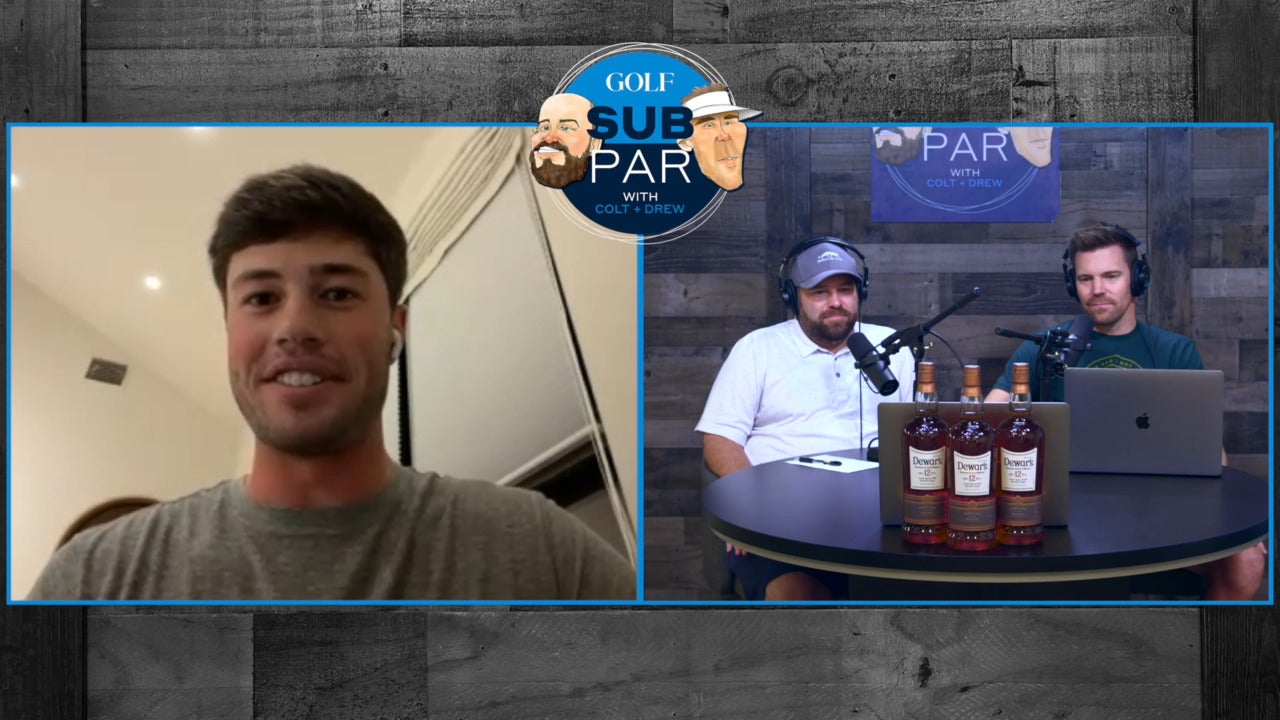
Video: GOLF's Subpar: Cole Hammer on what it was like playing the U.S. Open at 15-years-old
GOLF's Subpar: Cole Hammer on what it was like playing the U.S. Open at 15-years-old
News
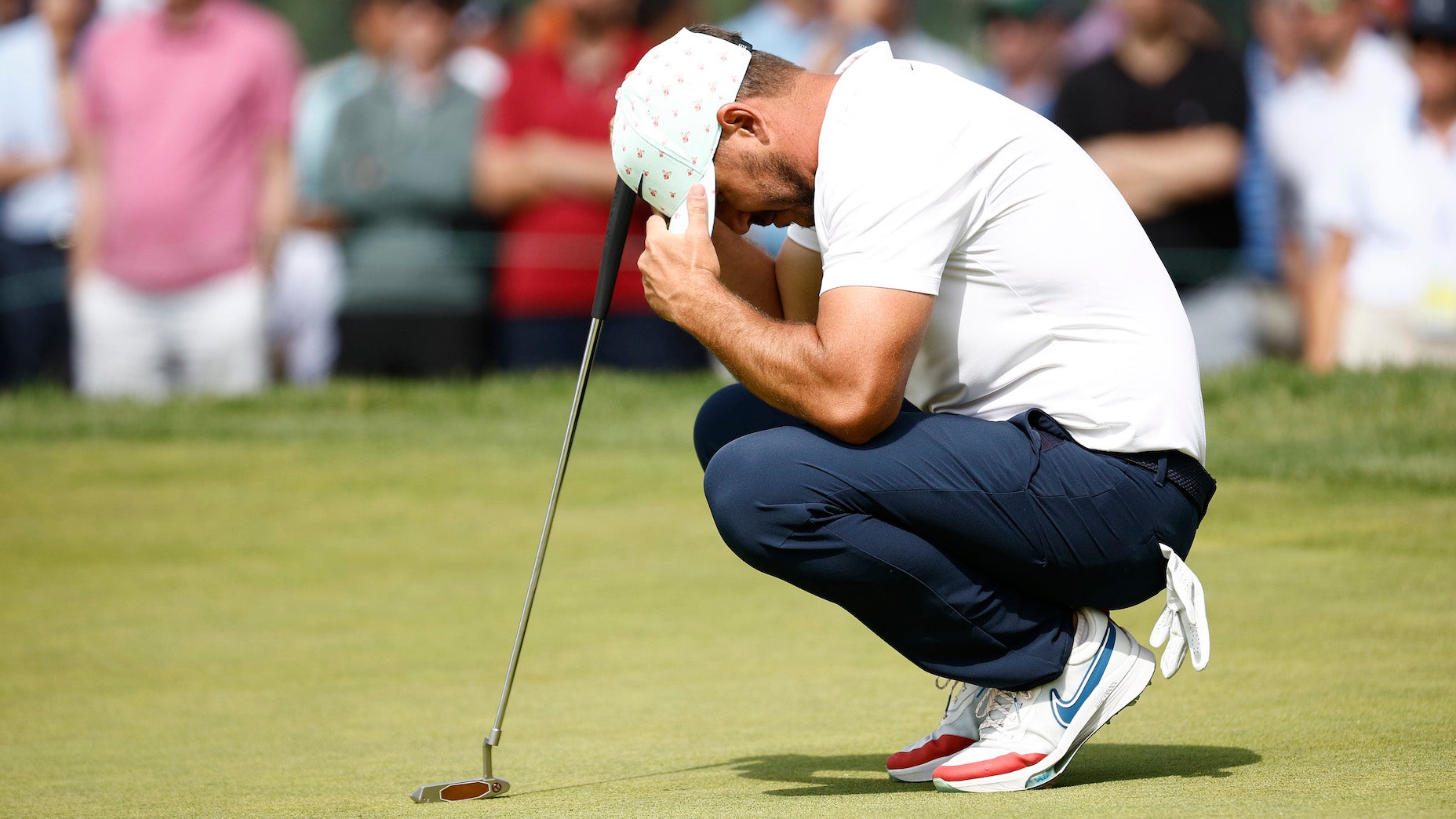
'All hands on deck': How The Country Club is messing with players’ minds
By:
Luke Kerr-Dineen
Travel
This wickedly fun hole could be the U.S. Open's most entertaining tee shot
By:
James Colgan
News
After Francis Ouimet, Brookline gave us another key piece of golf lore
By:
James Colgan
News
Video: Drop Zone: U.S. Open conditions will be extremely difficult. Here's why that's a good thing.
Drop Zone: U.S. Open conditions will be extremely difficult. Here's why that's a good thing.
News
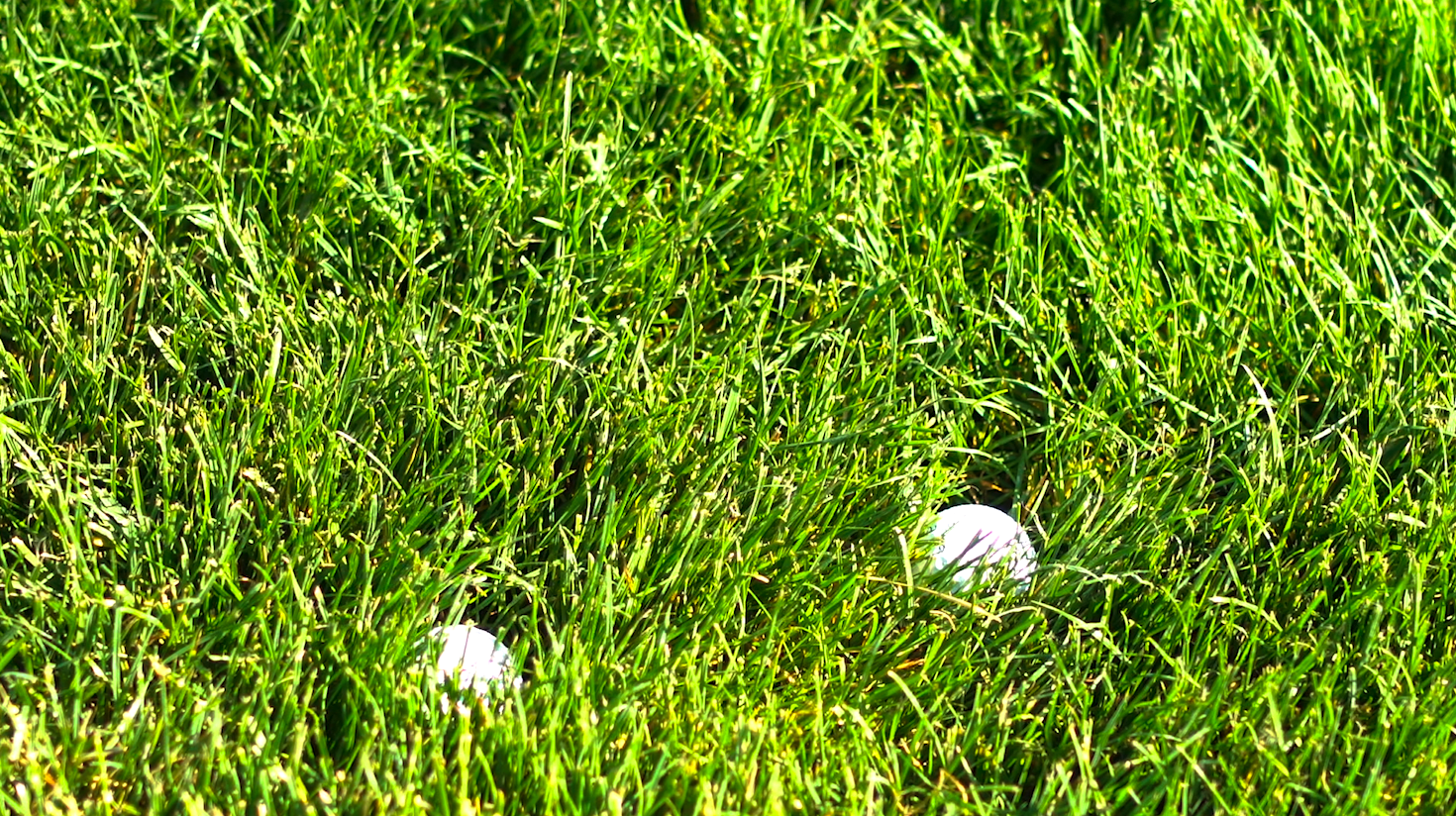
Video: Can an average golfer advance the ball out of U.S. Open-grade rough? We found out
Can an average golfer advance the ball out of U.S. Open-grade rough? We found out
By:
GOLF Editors
Can’t find what you’re looking for?
Search